

Here are ten books on clean code, debugging, system design, and focused work. I’ve included what each covers so you can choose one that fits what you want to learn.
The list includes books recommended by other developers, along with my own favorites.
1. Clean Code: A Handbook of Agile Software Craftsmanship by Robert C. Martin
I still believe this book must be in your collection, even if it is a bit old.
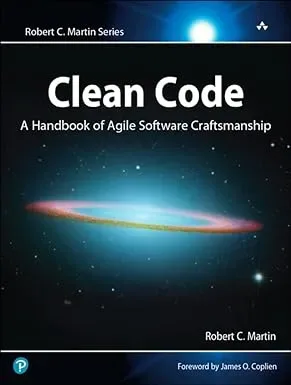
Clean Code covers naming, function design, and refactoring, with examples of making code easier to read and maintain.
I apply several of those principles in my clean-code examples for Python, including naming and keeping functions focused.
The examples focus on making code readable and easier for other developers to work with.
2. The Pragmatic Programmer: Your Journey to Mastery by Andrew Hunt and David Thomas
The Pragmatic Programmer covers everything from debugging techniques to automation and career advice. It encourages critical thinking and problem-solving while providing actionable strategies to tackle real-world challenges in software development.
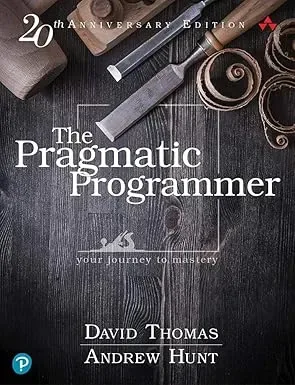 This book teaches you how to think like a pragmatic developer - someone who focuses on efficiency, adaptability, and continuous improvement.
3. Code Complete: A Practical Handbook of Software Construction by Steve McConnell
Often referred to as the "manual of software engineering," Code Complete dives deep into the principles of writing high-quality code. It covers topics like design patterns, testing strategies, debugging techniques, and much more.
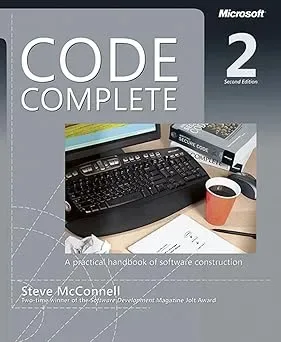
If you want an all-encompassing resource on writing bug-free, maintainable code while understanding the entire software development lifecycle, this is it.
4. Why Programs Fail: A Guide to Systematic Debugging
Debugging can be one of the most time-consuming aspects of programming. This book teaches systematic approaches to identifying and fixing bugs quickly without relying on trial-and-error methods like excessive console logging.
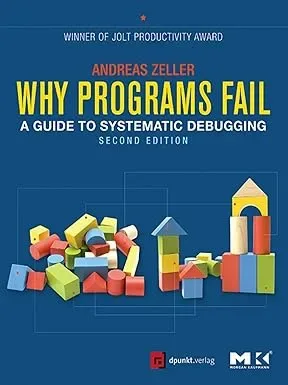
The book focuses on finding the cause of a bug systematically, rather than guessing at fixes.
5. Deep Work: Rules for Focused Success in a Distracted World by Cal Newport
In Deep Work, Cal Newport discusses protecting time for focused work and reducing distractions.
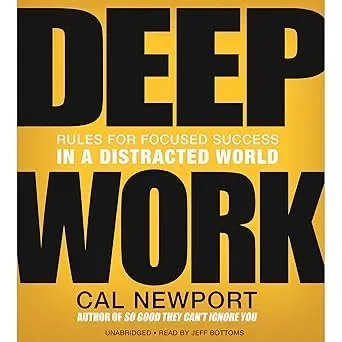
As developers, our work often requires long periods of uninterrupted focus. This book will teach you how to protect your attention and get into "the zone."
6. Refactoring: Improving the Design of Existing Code by Martin Fowler
Martin Fowler's Refactoring introduces the concept of systematically improving the design of existing code without altering its functionality. The book provides a catalog of over 70 refactoring techniques, each with step-by-step instructions, motivations, and examples. It also discusses how to recognize "code smells" that indicate opportunities for refactoring and emphasizes the importance of testing during the process. The second edition includes updated examples in JavaScript, making it accessible to modern developers.
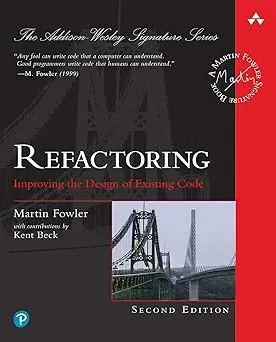
This book is essential for developers who want to enhance the readability, maintainability, and scalability of their codebases. It teaches how to refactor safely and efficiently while minimizing the risk of introducing bugs.
7. System Design Interview by Alex Xu
This is my favorite book about system design. This book breaks down complex system design concepts into digestible chunks, making it easier for developers to understand distributed systems, scalability, and performance optimization - key topics in technical interviews at top companies.
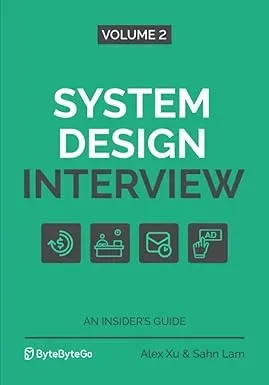
This book is useful for practising system-design interviews and learning about scalable architecture.
8. Don't Make Me Think: A Common Sense Approach to Web Usability by Steve Krug
This book focuses on creating web interfaces that are simple and user-friendly. It emphasizes usability testing and offers practical advice on designing websites that users can navigate effortlessly without confusion or frustration.
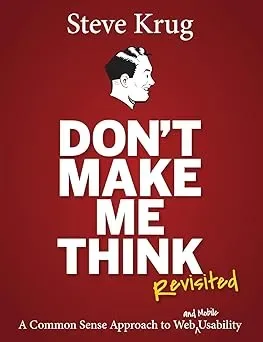
For web developers aiming to improve user experience (UX), this is an essential read that simplifies complex usability concepts into actionable advice.
9. Design Patterns: Elements of Reusable Object-Oriented Software by Erich Gamma
This classic introduces 23 design patterns that solve common software design problems. It explains when and how to use these patterns effectively while improving code reusability and scalability.
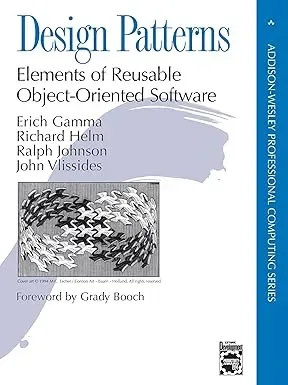
Design patterns give you familiar approaches to recurring problems in object-oriented code.
10. Domain-Driven Design: Tackling Complexity in the Heart of Software by Eric Evans
This book introduces the concept of aligning your software model closely with business domains. It provides strategies for tackling complexity using DDD principles like ubiquitous language and bounded contexts.
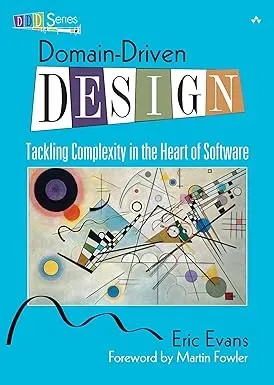
If you're working on complex systems or collaborating closely with business stakeholders, this book will teach you how to bridge the gap between technical solutions and business needs effectively.
Video
Watch on YouTube: 10 Books to Read in 2025 to Become a Better Developer
Conclusion
Set the goal to read these books in 2025, and your programming skills will never be the same. ;)
If you want to share your favorite books, please do so in the comment below.
If you want to buy the book, you can search in Google or use my link where I collect everything together: 10 Books to Read in 2025 to Become a Better Developer.
P.S. This page contains affiliate links. If you make a purchase through these links, I may earn a commission at no additional cost to you. ;)
Good luck! ;)