


Here are ten Google Sheets features I use for entering data, cleaning cells, working with formulas, and sharing spreadsheets.
1. Autofill
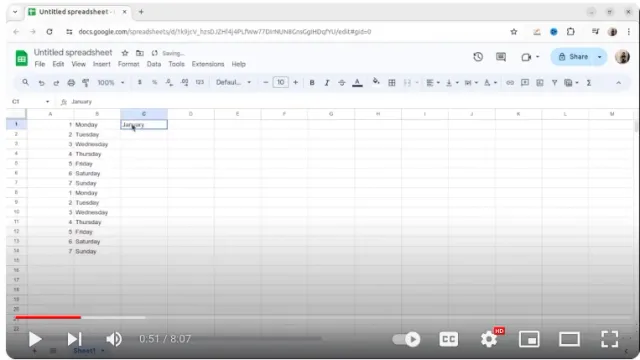
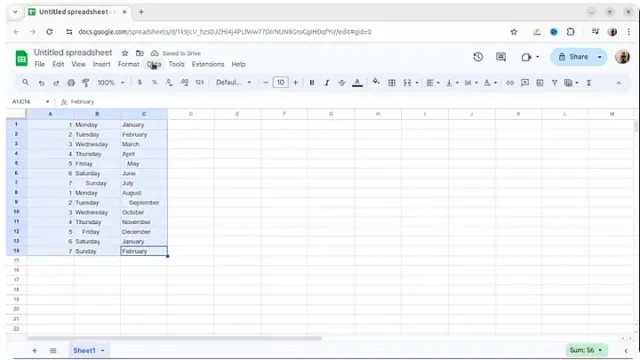
Autofill saves you from entering a sequence by hand. To fill numbers from 1 to 100, enter the start of the sequence and drag the blue handle at the corner of the selected cells. It also works with days of the week and months.
2. Removing Whitespace and Duplicates
To clean a dataset, select the range and use Data Cleanup. Trim whitespace removes unwanted spaces, and Remove duplicates removes repeated entries.
3. Alternating Colors
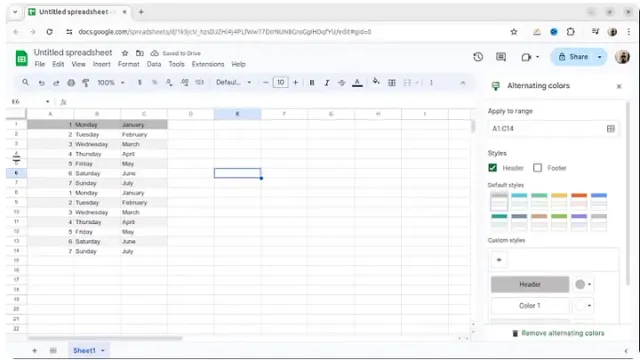
Enhancing readability can significantly improve the way you interact with your data. The “Alternating colors” feature applies different colors to alternating rows, making your spreadsheet easier to read and reducing errors when reviewing large blocks of data.
4. Embedding Sheets in Web Pages
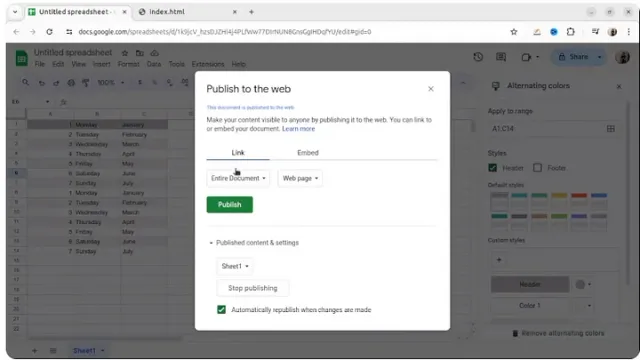
To display a spreadsheet on your website, choose the embed option, copy the HTML, and add it to your page.
5. Data Validation for Dates
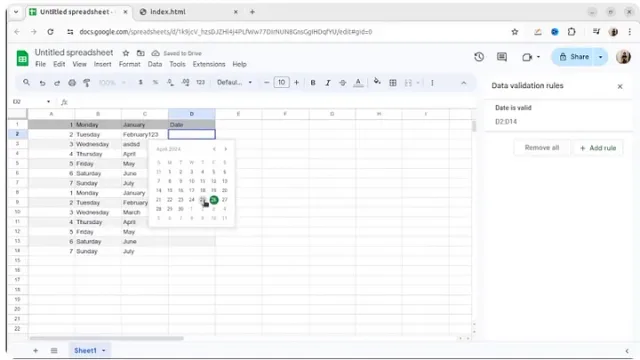
Data integrity can be maintained by restricting input to certain types of data. For example, you can set a cell to only accept dates. This is done through data validation, where you select “Date” as the criteria, and Google Sheets will provide a handy date picker to ensure accuracy.
6. Importing HTML
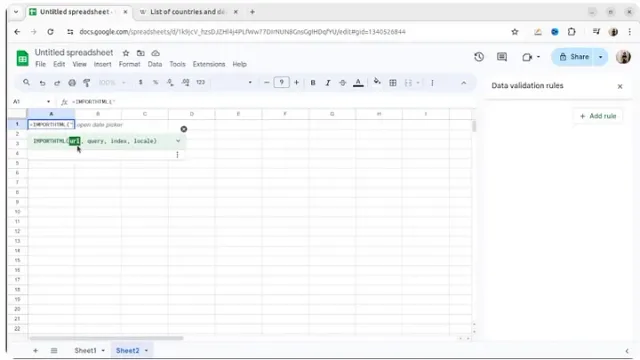
The IMPORTHTML function imports a table or list from a webpage. Specify the URL, the type of content, and its index in the formula.
7. Extracting Unique Values
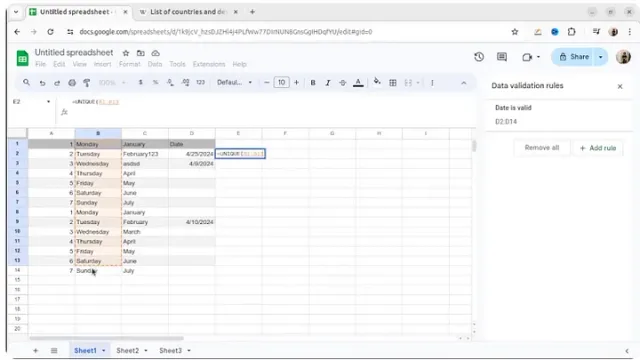
To identify unique entries from a range, the “Unique” function is perfect. It extracts distinct values from your selected range, allowing you to see just the unique information without any repeats.
8. Quick Sheet Creation
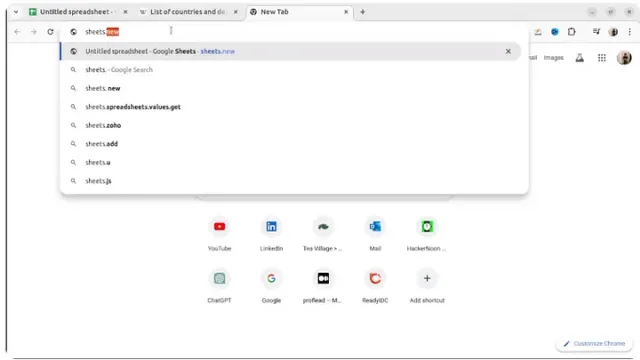
If you need to create a new spreadsheet quickly, just type “sheets.new” in your Chrome address bar. This shortcut instantly opens a new Google Sheet, helping you get to work right away without navigating through menus.
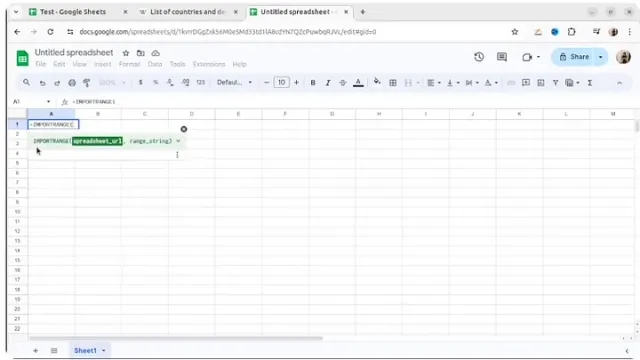
9. Import Range
Sometimes, you might need to share data from a spreadsheet without giving access to the entire file. “Import Range” allows you to import specific ranges from one Google Sheet to another, keeping the data synchronized without manual intervention.
When the data is ready for analysis, the ChatGPT data-analysis walkthrough shows how to ask questions about a dataset and inspect the resulting charts.
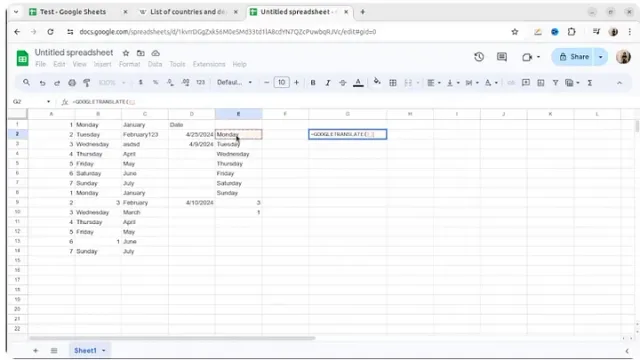
10. Google Translate in Sheets
Google Sheets can even translate text directly within cells using the “Google Translate” function. Simply specify the cell, the source language, and the target language, and the translation updates in real-time.
Bonus Tips
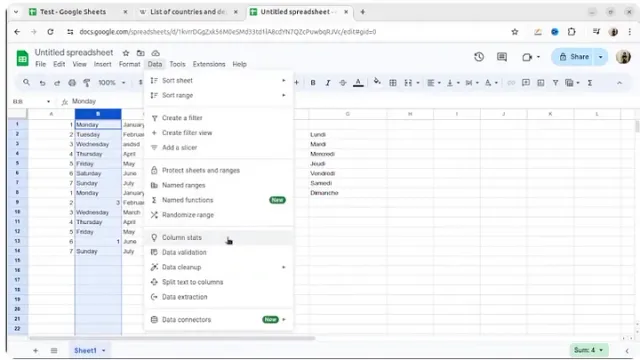
Column Stats
For data analysts, the “Column Stats” add-on provides quick statistical insights into data columns without needing to apply complex formulas. This tool is excellent for a high-level overview of data characteristics.
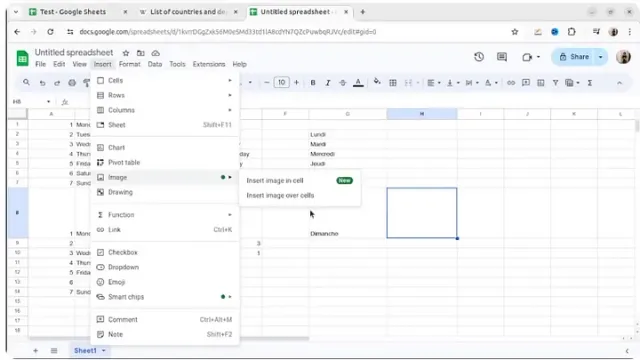
Inserting Images in Cells
A lesser-known but handy feature is the ability to insert images directly into cells. This functionality allows for a more organized display of visual data, which can be particularly useful for inventory lists, directories, and catalogs.
Which Google Sheets feature do you use most? Share it in the comments.
Thank you for your support and happy sheeting!