Hey devs! I am Vladislav Guzey, also known as proflead. I am an OpenAI Codex Ambassador based in Chiang Mai, Thailand.
People often ask me what the Codex Ambassador Program is, what ambassadors do, what support they receive, and how to apply. This guide brings the important information together in one place. I use official OpenAI sources for program facts and clearly label my personal advice.
Last verified: August 1, 2026. Applications are currently paused while OpenAI supports the existing cohort. OpenAI says a future cohort is planned, but it has not announced a reopening date. Always check the official Codex Ambassadors page for the latest status.
Quick Answer: What Is the Codex Ambassador Program?
The OpenAI Codex Ambassador Program is a global community program for people who help developers learn and build with Codex.
Codex Ambassadors include:
- Community organizers and meetup hosts
- Open-source maintainers and contributors
- Student leaders and workshop facilitators
- Codex power users who help other people learn
Ambassadors organize practical events, create reusable learning resources, test new community ideas, and share real-world feedback with the Codex team.
This is not only a program for people with a large social media audience. Community work, open-source contributions, teaching, workshops, and helping local builders are also valuable.
What Does a Codex Ambassador Do?
The official program page describes four main areas of work.
1. Run Local Codex Events
Ambassadors can organize hands-on meetups, workshops, hackathons, build days, and other community sessions.
The best events are practical. People should have a chance to open Codex, try a real workflow, ask questions, and share what they build. An event does not need to be a large conference. A focused session for a small local group can still be useful.
You can explore current community events on the official Codex Meetups page.
2. Create Reusable Learning Resources
Ambassadors can create resources that help other people use Codex. Examples include:
- Beginner guides and tutorials
- Videos and live demonstrations
- Workshop materials
- Open-source projects
- Codex skills and agents
- Example prompts and workflows
- Event notes and community recaps
The word reusable is important. A good resource should continue helping people after an event ends.
3. Grow and Support Builder Communities
Every city and community is different. Ambassadors can experiment with formats that fit local developers, students, founders, creators, or open-source contributors.
This may mean starting a new meetup, supporting an existing developer group, connecting people with similar interests, or creating a safe place where beginners can learn from experienced builders.
4. Share Feedback With OpenAI
Ambassadors have a direct way to share honest, real-world feedback with the Codex team.
This feedback can include:
- What developers find easy or difficult
- Which workflows are most useful
- Problems people face when getting started
- Ideas from local communities
- Questions that appear repeatedly during workshops
An ambassador is not only promoting a product. The role also helps OpenAI understand how people use Codex in different countries, communities, and working environments.
What Support Do Codex Ambassadors Receive?
OpenAI currently lists the following program support:
- Codex and API credits for ambassador work and local events
- Starter kits that ambassadors can adapt for their communities
- Direct collaboration with other ambassadors and the Codex team
- Invitations to selected future events with the Codex team
- Exclusive swag
These details can change between cohorts. Applicants should check the official page again when applications reopen instead of assuming that every future cohort will have exactly the same support.
How Much Time Does the Program Require?
The current official expectation is approximately two to four hours per week, with at least one contribution per month.
A contribution may be an event, useful content, a community activity, or another approved form of support. The exact amount of work can change depending on the contribution. Hosting a meetup may require more preparation in one week, while writing a short guide may fit into several smaller work sessions.
Before applying, think honestly about whether you can make a regular contribution alongside your job, studies, family, and other responsibilities.
Who Can Apply to Become a Codex Ambassador?
OpenAI says future cohorts are intended for people with hands-on experience building or supporting developer communities. This includes people who organize meetups, maintain open-source projects, teach workshops, or help others learn to build.
The main groups listed by OpenAI are:
- Community organizers and meetup hosts
- Open-source maintainers and contributors
- Student leaders and workshop facilitators
- Codex power users who teach and support others
You do not need to be a professional event organizer. The official FAQ says that existing community experience is helpful, but OpenAI also welcomes builders who are ready to start bringing people together locally.
You also do not need to be the only applicant from your city. More than one person can apply from the same location.
Are Codex Ambassador Applications Open?
No. As of August 1, 2026, applications are paused while OpenAI supports the current cohort.
OpenAI says it plans to open another cohort later. It has not published a specific date. Expressions of interest are not active applications while the program is paused.
The safest way to avoid an outdated or unofficial form is to use the official program and application-status page. OpenAI says that page will be updated when applications reopen.
How Does the Application Process Work?
When applications reopen, OpenAI says it will review submissions based on:
- Community experience
- Interest in Codex
- The type of local builder activity the applicant wants to support
The earlier official interest form also asked about location, public profiles, community or open-source involvement, how the applicant uses Codex, possible contributions, and weekly availability. A future form may be different, so treat these as preparation ideas rather than guaranteed questions.
OpenAI has not published a permanent acceptance rate, fixed review timeline, or guaranteed number of places for future cohorts. Be careful with unofficial posts that present these numbers as rules.
How to Prepare Before Applications Reopen
This section is my personal advice, not an official OpenAI checklist.
Use Codex for Real Work
Try Codex on personal projects, work tasks, teaching, experiments, or open-source contributions. Keep notes about what worked, what did not work, and what you learned.
Real experience makes it easier to explain how you can help other builders.
Help People Before You Have the Title
You do not need to wait for an ambassador badge before helping your community. You can:
- Share a useful Codex workflow
- Help someone install or understand Codex
- Write a short tutorial
- Contribute to an open-source project
- Run a small study session
- Demonstrate something you built
Consistent, useful work is stronger than a promise to become active later.
Understand Your Local Community
Think about who you want to support and what they need. A university group may need a beginner workshop. Experienced developers may prefer a code review or automation session. Founders may want a practical build day.
Your application will be clearer if you can describe a real audience and a realistic activity.
Build a Public Record of Useful Work
Public examples make your contribution easier to understand. These may include GitHub repositories, articles, videos, event pages, workshop slides, or community posts.
Quality matters more than posting everywhere. A small collection of useful resources can show more value than a large amount of general AI content.
Suggest a Simple First Contribution
Prepare one idea you could complete during your first month. Explain the audience, format, expected result, and why it matters to your community.
Keep the plan realistic. A practical workshop for 20 local developers is more believable than promising a worldwide conference without a team or budget.
My Codex Ambassador Work in Thailand
I am listed in the official directory as a Codex Ambassador in Chiang Mai, Thailand. You can view my official OpenAI Ambassador profile.
My work focuses on practical learning. I organize community events and share articles, videos, open-source Codex skills, agents, and workflows that developers can use in real projects.
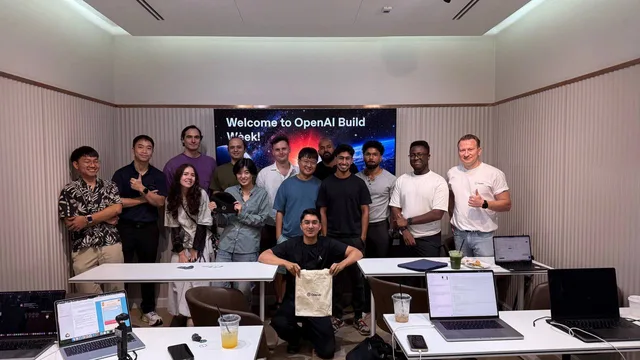
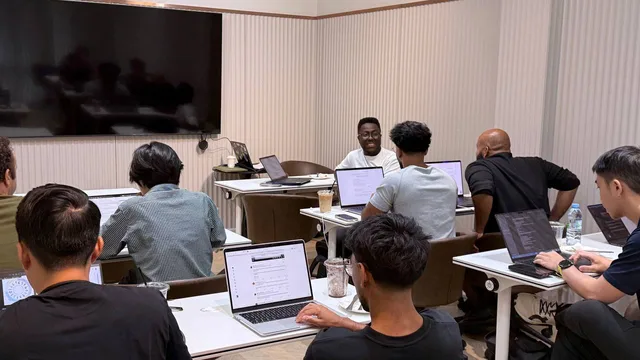
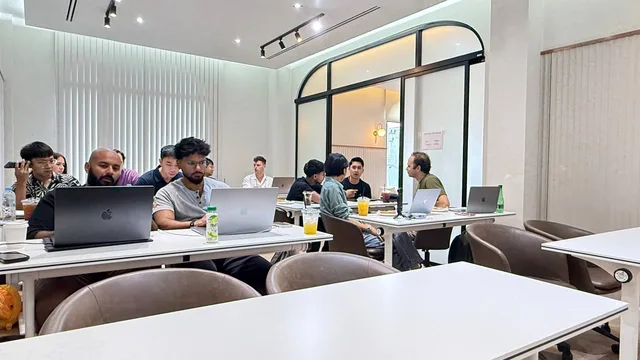
On July 18, 2026, I hosted an OpenAI Build Week community meetup in Chiang Mai. Developers, founders, students, and AI-curious creators met to learn about Codex across the app, CLI, IDE, and cloud, then connected with other local builders.
Here are a few photos from the event:
If you live in Thailand, especially Chiang Mai, bookmark and follow my Codex Ambassador page on proflead.dev. I use that page for upcoming Codex meetups, workshops, community events, hackathons, event recaps, and new learning resources.
You can also explore my Codex Skills Library, Codex Agents Library, and beginner guide to Codex skills.
Important Codex Ambassador Links
- Official Codex Ambassadors program, status, FAQ, and directory
- Official list of upcoming Codex meetups
- OpenAI developer community hub
- Codex Ambassadors list on X
- My official OpenAI Codex Ambassador profile
- My Codex events, tutorials, and resources in Thailand
- About Vladislav Guzey
Codex Ambassador Program FAQ
Do I need to host events before I apply?
No. Existing community experience helps, but OpenAI also welcomes builders who are ready to start gathering people locally.
Can more than one person apply from the same city?
Yes. OpenAI looks for people who can grow and support their local builder community, including cities where community activity already exists.
What happens after I apply?
When applications reopen, OpenAI will review community experience, interest in Codex, and the type of local builder activity each applicant wants to support. The official page does not promise a fixed response time for a future cohort.
How many hours do ambassadors contribute?
The current expectation is about two to four hours per week and at least one contribution per month.
Do I need to be an expert programmer?
OpenAI does not list a specific degree, job title, or number of years of coding experience. However, you should have practical experience with Codex and a clear ability to help builders learn, create, or connect.
Can people in Thailand apply?
The program is global, and the directory includes ambassadors from many regions, including Thailand. Check the rules for the next cohort when applications reopen because eligibility details can change.
Where can I find Codex events near me?
Use the official meetup directory. If you are in Thailand, also check proflead.dev/codex for my upcoming local events.
When will applications reopen?
OpenAI has not announced a date. The official program page says a future cohort is planned and will be updated when applications reopen.
Final Thoughts
The OpenAI Codex Ambassador Program is for people who want to help others build, not only talk about AI. Strong ambassadors create useful learning experiences, support their communities, share honest feedback, and make it easier for new builders to get started.
Applications are paused today, but you can prepare by using Codex, helping people, building public resources, and understanding what your local community needs.
For the newest official status, check the Codex Ambassadors page. For events and resources in Thailand, follow my Codex page.
Cheers, proflead! ;)